
Who this applies to
Solo and small-group medical and dental practice owners, typically operating as a PC or PLLC electing S-corp treatment.
Key questions
- Is your practice's entity structure still the right fit as revenue and staffing have grown?
- Have you evaluated Section 179 and bonus depreciation together before your next major equipment purchase?
- Does your retirement plan design reflect how much you could actually shelter at your current income level?
Review with the OICPA team
- Revisit entity structure and reasonable compensation as practice revenue grows, not just at formation
- Model Section 179 and bonus depreciation together before committing to equipment purchase timing
- Get an actuarial illustration for a cash balance or defined benefit plan if W-2 income is consistently high
A medical or dental practice runs on the same underlying tax mechanics as any small business, but the dollar amounts involved, equipment costing six figures, provider compensation well into high-income brackets, payroll for a clinical staff, make each planning decision worth meaningfully more than the same decision would be for a smaller service business.
Entity structure typically starts with a state licensing requirement most other small businesses never think about: a professional corporation or PLLC, the specific form dictated by the state's rules for a licensed practice. Within that structure, electing S-corp tax treatment follows the same logic as any other pass-through business once profit clears the point where self-employment tax savings meaningfully outweigh the added cost of running payroll, the professional-entity requirement layers on top of, rather than replaces, that standard analysis.
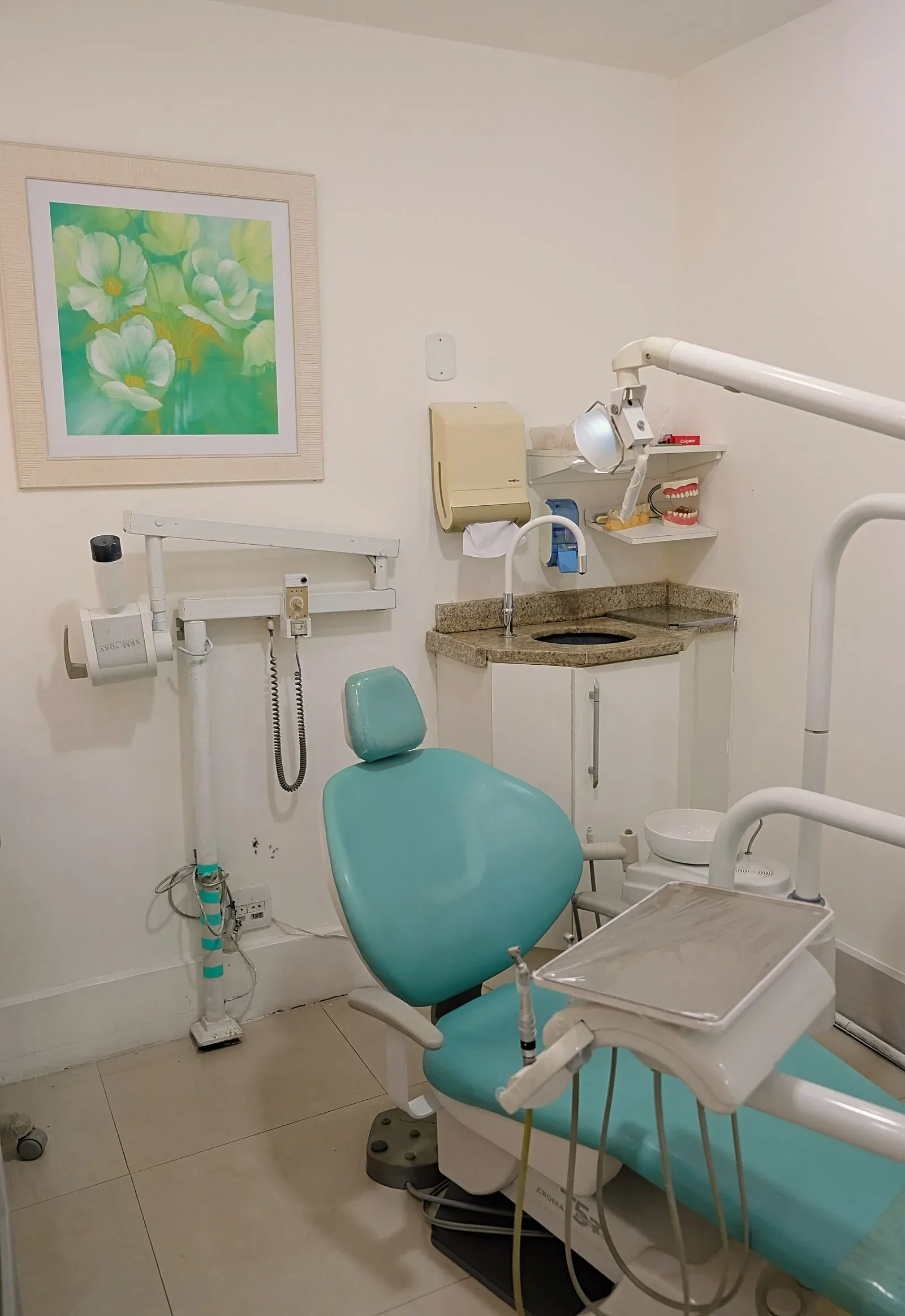
Equipment purchases, dental chairs, imaging equipment, and similar high-cost clinical assets, are exactly the category Section 179 and bonus depreciation were built around. The placed-in-service date determines which bonus depreciation rate applies under current law, and Section 179 carries its own separate income limitation that can make one tool more useful than the other depending on the practice's specific year. Modeling both together, rather than defaulting to whichever one a vendor's financing pitch emphasizes, is worth doing before a major purchase closes rather than after.
Reasonable compensation is a recurring point of scrutiny for practice-owner S-corps specifically because provider income is unusually well-documented, payer fee schedules and industry compensation surveys give the IRS the same comparability data a CPA would use to benchmark a salary, which cuts both ways. A number set once at formation and never revisited as the practice's revenue grows is a common and avoidable weak point; documenting the annual compensation decision, with the comparability data behind it, is what makes the number defensible if it's ever questioned.
Retirement plan capacity is frequently underused by practice owners in their peak earning years. A standard SEP or 401(k) often shelters far less than a high-earning provider could actually contribute on a tax-deferred basis. Layering a cash balance or defined benefit plan on top of a 401(k) can allow dramatically higher contribution limits for an owner closer to retirement, at the cost of real actuarial complexity and a genuine funding commitment. These plans generally require covering eligible staff too, not just the owner, so the decision needs to be modeled against the practice's actual staff census, not just the owner's own numbers.
Practice-level bookkeeping has a wrinkle most other small businesses don't deal with: insurance reimbursement timing. The lag between the date of service and the date cash actually arrives from a payer means a practice's cash and accrual pictures can diverge substantially. Bookkeeping that doesn't separately track insurance receivables from patient collections makes both the monthly numbers and year-end tax planning less reliable than they need to be for decisions that matter.
Staff payroll and benefits carry more weight for a practice than for a similarly-sized business in most other industries, simply because clinical staffing tends to mean a larger W-2 headcount relative to revenue. That means payroll tax deposits, benefits administration, and, if a retirement plan covering staff is in place, nondiscrimination testing all need a more disciplined process than a smaller team would require.
OICPA works with solo and small-group medical and dental practices on entity structure, equipment purchase timing, reasonable compensation documentation, and retirement plan design built around what a practice owner's income actually supports.
See what this would cost
Compare service scopes and starting prices, or build an estimate online in a few minutes.
Want updates like this by email?
Let us know and we will add you to the list personally when a new article goes up.
Request updates by email